Climate Action Classrooms: Where Bangladesh’s Children Plant Seeds of Resilience
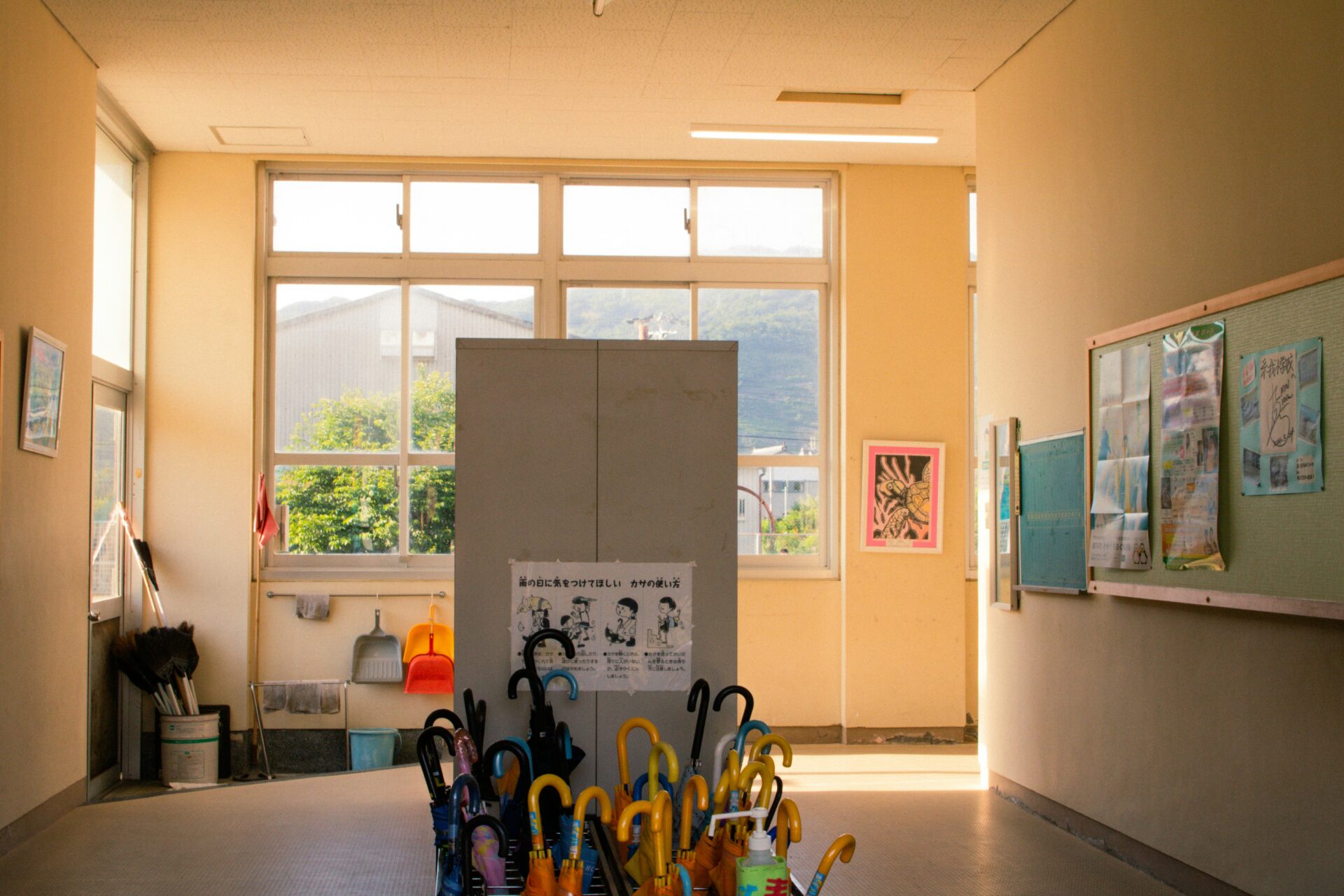
Climate action classrooms breathe where textbooks fall silent. In a Kurigram char school, monsoon water laps at bamboo stilts as 10-year-old Rina* measures dissolved oxygen in floodwater with a handheld sensor. Her notebook, speckled with raindrops, records data that will shape her village’s flood adaptation plan. This isn’t science class. It’s survival poetry. Across Bangladesh, schools are shedding sterile walls to become living sustainability labs; where children don’t just learn about climate change; they wrestle it bare-handed. In these spaces, every compost pile is a manifesto, every solar panel a stanza, and every child a climate cartographer mapping hope onto a drowning map.
Climate Action Classrooms: Why Bangladesh’s Classrooms Must Become Climate Havens
The statistics scream urgency. Bangladesh loses 2% of its GDP yearly to climate disasters (World Bank 2025 Climate Cost Assessment ). By 2030, 13 million children will face disrupted schooling from floods and cyclones (UNICEF Bangladesh Climate Vulnerability Report ). Traditional curricula ignore this reality. “We taught photosynthesis while our playground flooded,” recalls teacher Afsana* in Satkhira. Then came the transformation. When cyclone damage forced her school to rebuild, they embedded rainwater harvesters in foundation pillars and turned roof debris into compost bins. Now, students track salinity levels in soil where rice once grew. This shift isn’t optional. It’s oxygen for a generation learning to breathe underwater.
Monsoon-Proof Composting in Haor Schools
In Sylhet’s haor regions, where schools submerge for six months yearly, conventional composting drowns. Solution? Floating compost islands. At Beanibazar Girls’ High School, students weave water hyacinth mats into buoyant compost beds anchored to classroom rafts. Banana peels and rice husks decompose above flood lines, yielding fertilizer for floating gardens. BRAC University’s wetland adaptation study shows these systems reduce food waste by 78% while teaching circular economy principles. “We measure decay rates during boat commutes,” laughs student leader Faria*. “Monsoon isn’t our enemy. It’s our lab partner.”
Solar-Powered Classrooms as Climate Havens
When cyclones severed power in Barguna’s coastal schools, darkness became pedagogy’s graveyard. No more. At Kalapara Pilot School, student teams installed 150-watt solar panels on corrugated iron roofs. The payoff? During last year’s 14-day blackout, they ran LED lights and charged tablets to monitor mangrove regeneration via drone footage. IDCOL’s renewable energy audit confirms these systems cut electricity costs by 92% while becoming community disaster hubs. Teacher Monirul* beams: “Our solar meter is now the most popular ‘textbook’ in science class.”
Student-Led Energy Audits: Turning Calculators into Climate Tools
Forget theoretical physics. Here, energy audits save real rupees for real families.
The Char School Watt Watchers
In Kurigram’s floating schools, students strap waterproof sensors to boat engines to measure fuel efficiency. Their data revealed 40% of engine power wasted moving silt-clogged vessels; prompting community-led dredging. “We presented findings to union parishad members using clay models,” explains 12-year-old Tanvir*. His team’s report (a2i Programme Energy Literacy Case Study ) influenced regional boat design standards. This isn’t child’s play. It’s grassroots engineering.
Data Literacy Through Monsoon Math
When floods invade classrooms, students pivot to “flood math.” At Gaibandha’s Jamalpur Primary School, children calculate water displacement volumes using salvaged plastic bottles. They graph electricity consumption against rainfall intensity, discovering correlations that inform school shutdown protocols. UNESCO’s Climate Smart Education Systems Initiative highlights this approach: linking disaster data to national math standards. Principal Farida* notes: “Students who struggled with decimals now lead flood prediction workshops. Context is their teacher.”
Waste Warriors: Redefining Rubbish in Resource-Scarce Communities
Plastic waste chokes Bangladesh’s rivers. Schools are fighting back with creativity born of necessity.
Bhat to Biogas: Lunchroom Revolution
At Dhaka’s Kazi Nazrul Islam School, lunch bins overflowed with discarded rice. Students engineered a solution: anaerobic digesters converting bhat waste into cooking gas for their canteen. The system, built with guidance from Daffodil International University’s Sustainability Lab, processes 12kg of food scraps daily; powering 30% of meal prep. “My mother now uses our design for her street stall,” shares innovator Nusrat*. This isn’t recycling. It’s kitchen alchemy.
Plastic Bottle Bricks for Flood Barriers
In Noakhali’s cyclone alley, students collect PET bottles to create flood-proof classroom walls. Filled with sand and cement, these bricks withstand 120km/h winds. During Cyclone Remal, Rangamati High School’s bottle-brick annex remained intact while concrete structures crumbled. UNOPS Bangladesh’s youth resilience report validates this innovation: bottle-brick structures cost 70% less than conventional barriers. Student architect Rahim* smiles: “We’re not just building walls. We’re building dignity from waste.”
Curriculum Rebirth: When Subjects Merge with the Soil
Sustainability isn’t a subject here. It’s the soil in which all learning grows.
Climate Poetry in Monsoon Ink
Language arts classes at Jessore’s Mujibnagar School write haiku on recycled paper during rainstorms. Themes? Salinity intrusion, vanishing wetlands, resilient farmers. Their anthology, Monsoon Whispers, won UNESCO’s 2025 Climate Storytelling Prize. “Words become roots,” says teacher Selina*. “When Arif wrote ‘Grandfather’s pond now salt, but his hope deeper,’ he owned the crisis.” This emotional literacy, documented in Bangladesh’s National Education Policy 2025 , transforms abstract climate data into human narrative.
Geography as Living Cartography
Students in Cox’s Bazar map erosion scars on Rohingya refugee camp hillsides using GPS apps co-developed with the Islamic World Educational, Scientific and Cultural Organization (ICESCO) . Their data, synced to national disaster databases, triggers early-warning alerts. “We mark landslide-prone slopes with red flags made from torn uniforms,” explains student coordinator Tahmina*. “Our maps save lives.” This real-world application, part of ICESCO’s Green and Clean School Campus Contest, turns geography into guardianship.
Climate Action Classrooms: How Institutions Are Fueling the Movement
Top-down support meets bottom-up grit.
The 10,000-Tree Curriculum Mandate
Bangladesh’s Ministry of Education now requires all secondary schools to maintain native tree nurseries; 5 saplings per student annually. At Dinajpur’s Rajshahi Cadet College, students graft sal and koroi saplings onto drought-resistant rootstock. Their nursery supplied 12,000 trees for the Barind Tract reforestation drive. The policy directive ties sapling survival rates to teacher promotions. “My students check soil moisture before math tests,” laughs principal Kabir*. “Nature is now our report card.”
Climate Report Cards for Schools
Since 2024, Bangladesh Education Boards issue annual “Green Certificates” rating schools on waste diversion, energy use, and climate curriculum depth. Top scorers like Dhaka’s Ideal School receive solar grants. Laggards get mentorship from student green brigades. UNESCO Dhaka’s implementation review shows this system boosted school sustainability investments by 200%. Student auditor Jannat* explains: “We don’t just grade schools. We heal them.”
Climate Action Classrooms: When Schools Become Climate Cathedrals
The classroom walls dissolve. Impact floods neighborhoods.
Monsoon Libraries on Boats
When haor schools submerge, learning doesn’t drown. At Sylhet’s Tanguar Haor, students run floating libraries on repurposed cargo boats. Books on rainwater harvesting and floating agriculture line bamboo shelves. During floods, they paddle to stranded homes distributing seed packets with planting instructions. Mission Green Bangladesh’s conclave report documents how this model reduced child marriage rates by 19% in flood zones; keeping girls engaged through crisis. Librarian Nasreen* whispers: “Our boat isn’t wood and rope. It’s a life raft for dreams.”
Farmer-Student Knowledge Exchanges
At Pabna’s flood-prone Bera Upazila, students host weekly “Climate Chai Addas” where farmers share ancestral flood-coping wisdom while youth demonstrate AI crop-failure predictors. This two-way learning, supported by Jane Goodall Institute Bangladesh , revived near-extinct flood-resistant rice varieties. Elder farmer Abdul* beams: “My grandson taught me drone mapping. I taught him how earthworms predict floods. We’re both students now.”
Conclusion
Rina* from Kurigram now trains elders to read flood sensors. Her school’s compost feeds community gardens where displaced families grow vegetables on floating rafts. This is the alchemy of climate action classrooms: turning vulnerability into vision, anxiety into agency. In a nation where rivers swallow homes and salt poisons fields, these spaces teach children a radical truth; that their hands can mend what storms break. When the next cyclone comes, they won’t just hide. They’ll deploy their bottle-brick barriers, power classrooms with solar-charged tablets, and share monsoon data via SMS networks. For Bangladesh’s children, climate action isn’t a future promise. It’s the mud-caked boots they wear today; the true measure of climate action classrooms lies not in report cards, but in the unbroken spirit of children who know how to heal their home.