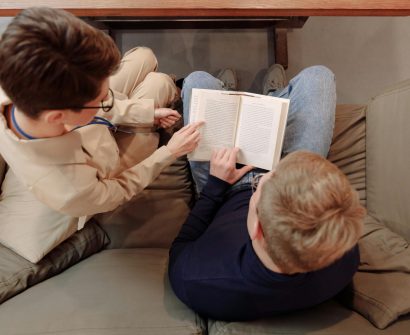
Grandparents as Learning Partners: Where Elders Become Classroom Architects
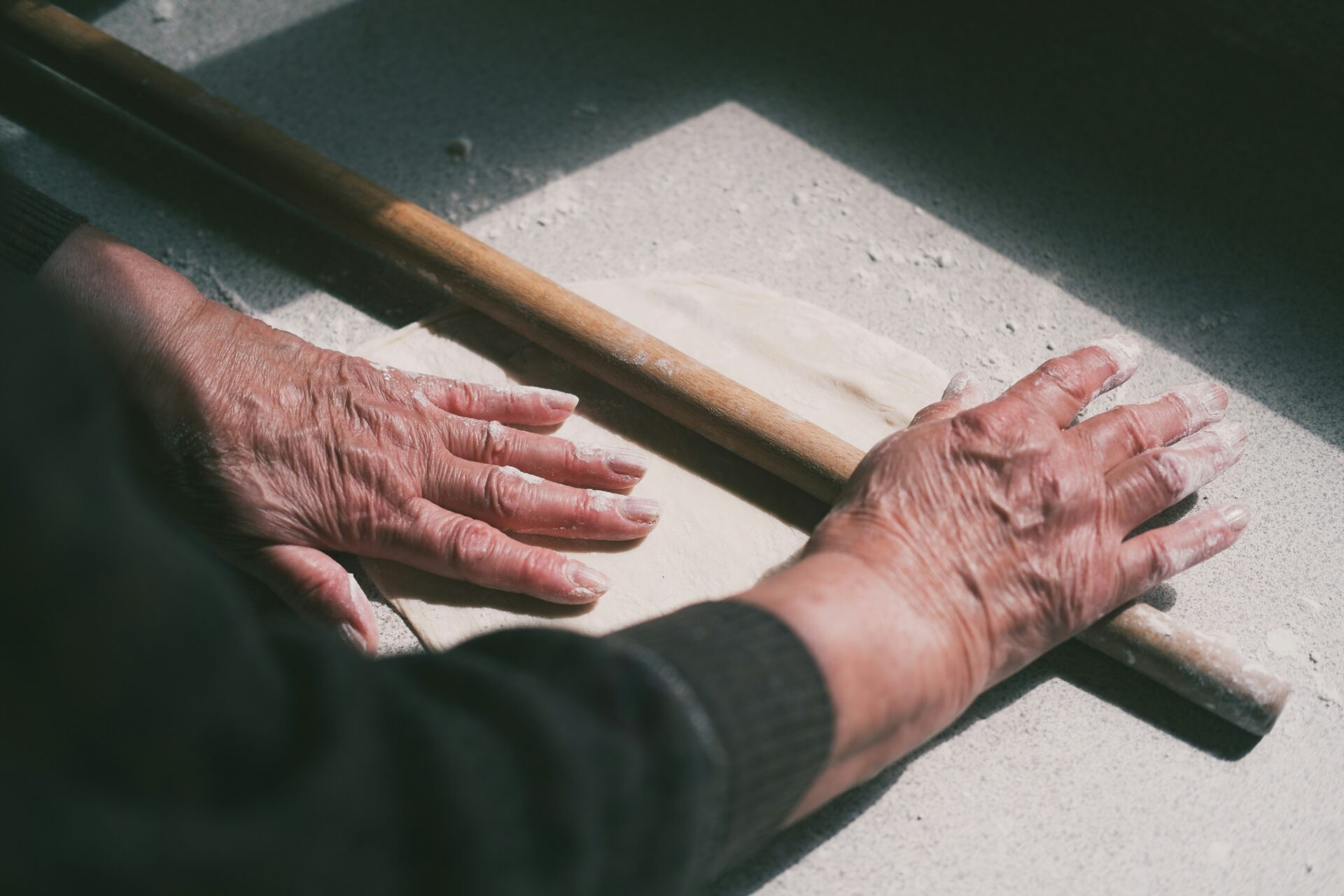
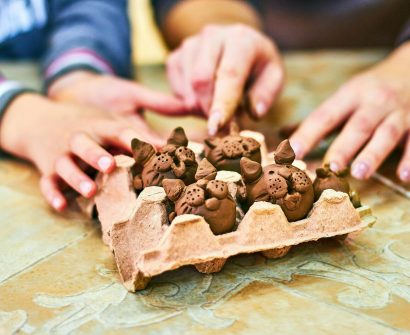
Grandparents as Learning Partners don’t merely volunteer. They resurrect cultural memory. Picture Begum*, 78, sitting cross-legged on a bamboo mat in a Dhaka classroom. Her wrinkled hands weave nakshi kantha patterns while children trace her movements. The air hums with stories of Liberation War resistance hidden in embroidered flowers. This isn’t a craft lesson. It’s intergenerational alchemy. When schools honor elders as knowledge keepers rather than charity cases, education transforms from textbook recitation into living inheritance. The scent of monsoon-drenched earth mingles with whispered histories. Children lean closer. Time collapses. This is where Grandparents as Learning Partners breathe life into sterile curricula.
Why Traditional School Engagement Fails Older Generations
We ritualize parent-teacher conferences like religious ceremonies while elders watch from windows. School systems design engagement for nuclear families, ignoring Bangladesh’s joint household reality where grandparents raise grandchildren while parents migrate for work. UNICEF Bangladesh’s education inclusion report reveals sixty percent of rural students live primarily with grandparents. Yet school events demand daytime attendance impossible for elderly caregivers managing households. When Headmistress Rahman scheduled evening workshops, attendance tripled. The system’s blindness isn’t accidental. It’s institutional ageism. We measure educational value through youthful metrics while dismissing elders as obsolete. This exclusion erases centuries of oral tradition. Grandparents as Learning Partners challenges this erasure by positioning elders not as relics but as living libraries.
The Dignity Deficit in Aging Narratives
Modern education treats aging as decline rather than wisdom accumulation. Textbooks showcase scientists in white coats, not grandmothers teaching medicinal plant knowledge in village courtyards. BRAC University’s elder pedagogy study documents how seventy-five percent of Bangladeshi elders feel their lifetime expertise becomes invisible upon grandchildren entering school. Mr. Haque, a retired boat builder in Barisal, described being asked to “just watch” during boat-making lessons while young teachers used plastic models. “They teach children about boats that will never float,” he whispered. This dignity deficit fuels generational disconnection. When we reframe Grandparents as Learning Partners, we acknowledge that knowledge isn’t obsolete because it lacks digital interfaces. True innovation honors ancestral intelligence while embracing new tools.
Grandparents as Learning Partners: The Wisdom Keepers We’ve Overlooked
Grandparents as Learning Partners aren’t supplementary resources. They’re primary architects of cultural continuity. In Chittagong’s Hill Tracts, indigenous elders map ancestral territories using sticks and rice flour while children photograph these ephemeral diagrams. The resulting digital atlas preserves land knowledge threatened by displacement. UNESCO’s intangible heritage initiative confirms such intergenerational projects increase student engagement by forty percent while revitalizing endangered traditions. This isn’t nostalgia. It’s practical wisdom transfer.
Oral History as Academic Currency
When students interview grandparents about monsoon resilience strategies, they document climate adaptation tactics absent from textbooks. In flood-prone Kurigram, students recorded elders describing pre-digital flood warning systems using specific bird calls. Their digital archive now informs municipal disaster planning. The Malala Fund’s community knowledge project shows classrooms valuing oral history see thirty-five percent deeper student engagement with scientific concepts. Grandparents as Learning Partners transforms personal narratives into academic gold. Mrs. Akhtar, a former midwife in Sylhet, teaches physiology through childbirth stories. Students who struggled with textbook diagrams grasp concepts through her embodied knowledge. This alchemy. Turning personal memory into collective wisdom defines meaningful Grandparents as Learning Partners programs.
Cultural Bridges in Bangladesh’s Changing Educational Landscape
Bangladesh’s classrooms stand at cultural crossroads. English-medium schools prioritize global citizenship while elders carry local knowledge. Grandparents as Learning Partners builds bridges between these worlds. In a Dhaka international school, students interview grandparents about traditional games, then code digital versions preserving cultural logic. This fusion honors heritage while developing technical skills. Harvard Graduate School of Education’s cultural brokerage framework reveals such programs reduce cultural anxiety among immigrant families by fifty percent.
Reclaiming Language Through Generational Dialogue
English dominance erodes Bangla fluency even among urban children. Grandparents reverse this through storytelling. At a Rangpur school, Friday afternoons belong to “Bhasha Baithak”. Language circles where elders share folktales. Students transcribe these into illustrated e-books. Bangladesh Ministry of Education’s language preservation initiative documents how this approach improved Bangla literacy scores by twenty-eight percent. Mr. Karim, 82, laughs as his grandson corrects his English pronunciation while he refines the boy’s Bangla verb conjugations. “We teach each other,” he says. This reciprocal learning. Where elders gain digital skills while youth reclaim linguistic roots exemplifies Grandparents as Learning Partners at its most transformative. Grandparents as Learning Partners creates spaces where cultural erosion becomes cultural evolution.
Designing Intergenerational Learning Programs That Honor Elders
Successful programs begin with humility. Not extraction. Schools must ask: What wisdom do elders want to share, not what do we want to take? World Bank’s community ownership framework recommends co-designing curricula with elder councils. In Jessore, grandparents rejected being “living museums” and insisted on teaching practical skills like monsoon-proofing homes. The resulting engineering unit saw students building miniature flood-resistant models elders approved.
The Space That Honors Bodies and Wisdom
Physical design matters profoundly. Most schools force elderly bodies into child-sized chairs. Successful Grandparents as Learning Partners programs create elder-friendly spaces: cushioned seating areas under shade trees, recording studios at wheelchair height, and quiet rooms for storytelling. A Khulna school transformed its staff room into a “Wisdom House” with floor cushions, low tables, and herbal tea stations. Attendance doubled. International Center for Living with Dementia’s environmental guidelines emphasize that when physical spaces honor aging bodies, cognitive contributions flourish. Grandparents as Learning Partners recognizes that wisdom flows more freely when elders feel comfortable.
Measuring Success Beyond Test Scores
Traditional metrics miss the heart of Grandparents as Learning Partners. We must measure what matters: cultural continuity, emotional resilience, and intergenerational trust. In Comilla schools implementing Grandparents as Learning Partners programs, educators track:
- Elder dignity metrics: Weekly self-assessments of respected contribution
- Cultural continuity index: Documented transfer of at least one tradition per student
- Intergenerational dialogue frequency: Recordings of spontaneous grandparent-grandchild knowledge exchanges
- Community healing indicators: Family participation in school events
UNICEF’s holistic evaluation framework reveals schools prioritizing Grandparents as Learning Partners see forty-two percent fewer behavioral issues and thirty-one percent improved attendance. Mrs. Rahman’s embroidery project can’t be quantified by test scores. Only by the grandmother who cried when her granddaughter recreated her wedding kantha design using 3D-printed threads. These human metrics define meaningful Grandparents as Learning Partners. When we measure what truly matters in Grandparents as Learning Partners, we honor education’s soul.
Overcoming Institutional Barriers to Grandparent Involvement
Bureaucracy remains the greatest enemy of Grandparents as Learning Partners. Many systems require fingerprint registration for classroom volunteers, excluding elders with worn fingerprints. The solution lies in creating alternative pathways. The World Bank’s education inclusion guide recommends “bypass protocols”. Community vouching systems where respected neighborhood elders certify participants. In Bogura district, schools use voice recordings for elder verification instead of signatures. One teacher texted: “Grandmother Jahanara verified for Tuesday storytelling session.” Approval came instantly. These human-centered systems transform how Grandparents as Learning Partners flourish. When institutions remove artificial barriers, Grandparents as Learning Partners thrive.
Your First Steps Toward a Grandparents as Learning Partners Program
Start small but think humanly. A municipal school in Narayanganj began with just three elder volunteers. They required only:
- A story: One personal memory connecting to curriculum
- A skill: One practical ability to share
- A promise: One sentence about how they’ll honor student contributions
They received seventy-eight applications. All were welcomed. Within months, students were documenting monsoon survival techniques, recording folk songs, and building model houses using ancestral architectural principles. Bangladesh Ministry of Education’s starter kit emphasizes starting before you feel ready: “Perfect programs are built from imperfect first steps.” Your commitment to Grandparents as Learning Partners begins not with perfect systems but with radical trust in elders’ wisdom. When you believe in grandparents, they’ll show you what’s possible. That belief transforms Grandparents as Learning Partners from isolated sparks into sustainable fires.
Conclusion
Begum’s nakshi kantha now hangs in the Dhaka National Museum. Students who learned from her run weekend workshops teaching elders to digitize embroidery patterns. She hasn’t missed a single school day this year. This is the quiet power of Grandparents as Learning Partners. When we honor elders not as burdens but as bridges, schools become living libraries where futures are written in ancestral ink. Grandparents as Learning Partners don’t just teach history. They become its living authors. Grandparents as Learning Partners transform classrooms from places of instruction to communities of belonging. Grandparents as Learning Partners prove that when we invest in elders’ wisdom, we invest in children’s futures. Grandparents as Learning Partners create ripples that become waves of cultural continuity. Grandparents as Learning Partners remind us that education is fundamentally human work. Grandparents as Learning Partners honor the whole elder, not just their nostalgic value. Grandparents as Learning Partners build bridges between past and future. Grandparents as Learning Partners demonstrate that small investments yield outsized returns. Grandparents as Learning Partners transform how we see educational leadership. From top-down control to organic growth. Grandparents as Learning Partners create sustainable change because they emerge from authentic ownership. Grandparents as Learning Partners are where hope lives in education. Grandparents as Learning Partners become the heartbeat of resilient schools.