Neurodiverse Classrooms: Where Cognitive Variety Sparks Educational Innovation
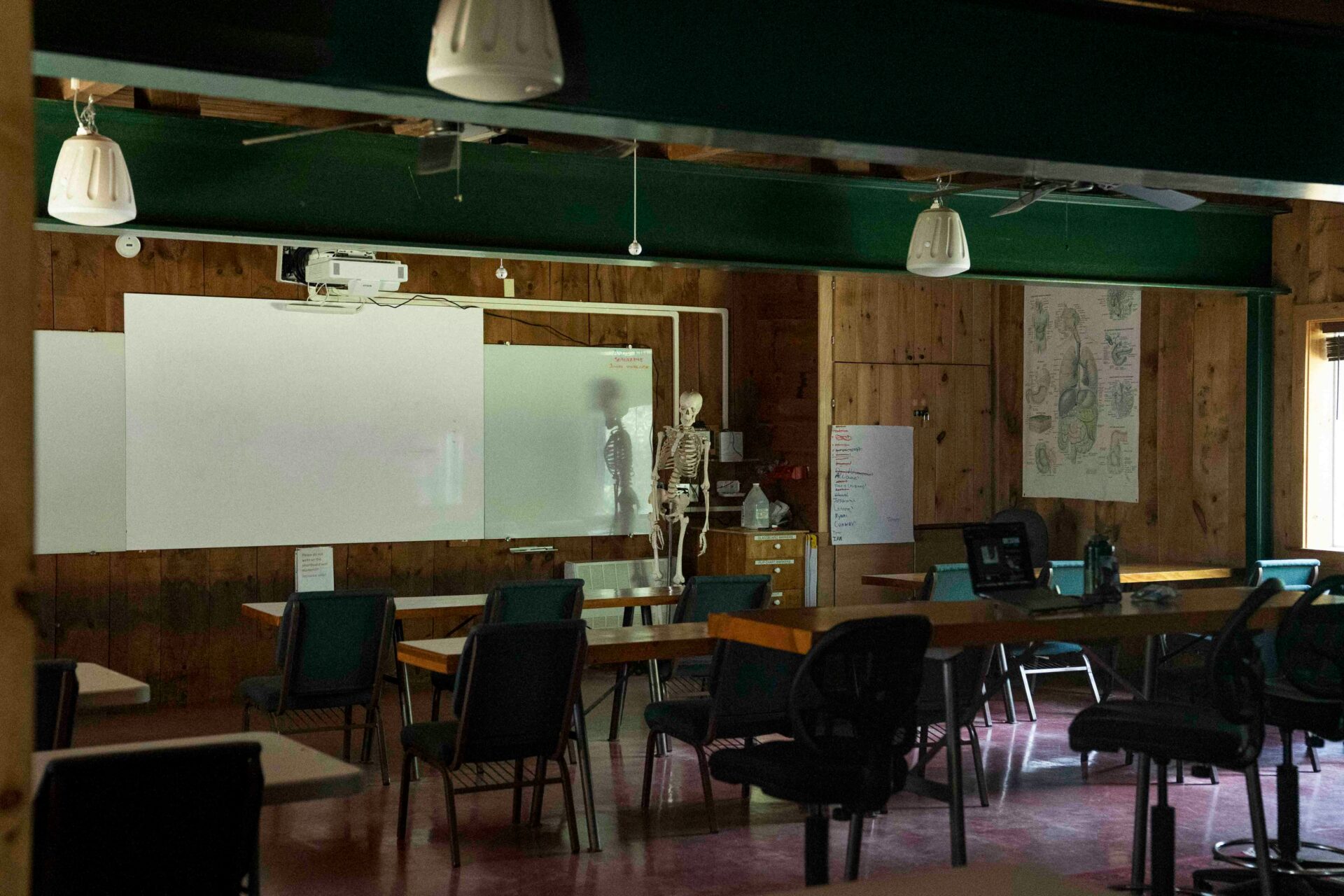
Neurodiverse Classrooms don’t merely accommodate differences. They cultivate ecosystems of innovation. Imagine a third-grade room where sunlight filters through adjustable blinds, casting gentle patterns on textured walls. In one corner, Maya solves math puzzles on a wobble stool while humming softly to block auditory distractions. Nearby, Leo types his essay on a keyboard with colored keys, his noise-canceling headphones resting around his neck. At the back table, Jamal uses sign language to explain his science project to a peer. This isn’t a specialized resource room. It’s Tuesday morning in a mainstream classroom designed for cognitive diversity. When we stop viewing neurodiversity as a challenge to overcome and start seeing it as raw material for creative problem-solving, education transforms from standardized testing into collaborative discovery. This is where tomorrow’s innovators learn they belong. And the magic happens in neurodiverse classrooms.
Why Traditional Classroom Designs Fail Neurodiverse Classrooms
Uniform classrooms create invisible barriers for students whose brains process information differently. Fluorescent lights buzz like angry hornets to sensory-sensitive students. Rigid desk arrangements trap kinesthetic learners who think with their bodies. Group discussions become minefields for those with social communication differences. According to Harvard Graduate School of Education’s research , standard classroom environments disadvantage approximately 15-20% of students whose neurotypes fall outside conventional norms. The cost? Not merely academic underperformance, but the quiet erosion of self-worth. When students must expend sixty percent of their cognitive energy managing environmental triggers, only forty percent remains for actual learning. This isn’t inclusion. It’s institutionalized exclusion disguised as neutrality.
The Sensory Overload Epidemic
Modern classrooms often function as sensory assault courses. The National Center for Learning Disabilities reports that seventy percent of neurodiverse students experience daily sensory distress in typical classroom settings. Fluorescent lighting flickers at frequencies invisible to neurotypical eyes but migraine-inducing for others. Chair fabrics scratch like sandpaper against hypersensitive skin. The cacophony of twenty-five classmates creates auditory chaos where focused learning becomes impossible. One fifth-grader described his classroom experience: “It’s like trying to read a book while someone shines a flashlight in your eyes and plays loud music.” When our environments ignore neurological diversity, we don’t just hinder learning. We teach students their very nervous systems are defective. This is how neurodiverse classrooms shine.
The Myth of the “Ideal” Learning Style
Educational systems have long promoted the false dichotomy of “visual,” “auditory,” or “kinesthetic” learners as fixed categories. Neuroscience reveals a more complex reality. CAST’s Universal Design for Learning framework demonstrates that all brains benefit from multiple means of representation, expression, and engagement. The problem isn’t students who can’t adapt. It’s environments that demand conformity. When we design classrooms assuming a mythical “average” brain, we systematically exclude the twenty percent of students with ADHD, autism, dyslexia, and sensory processing differences who process information through alternative neural pathways. This isn’t accommodation. It’s architectural violence against cognitive diversity. This is why we need neurodiverse classrooms.
Redesigning Neurodiverse Classrooms Through Sensory Architecture
Transforming classroom environments requires reimagining physical space as neurological infrastructure.
Lighting as Cognitive Catalyst
Natural light isn’t merely aesthetic. It’s neurological medicine. Edutopia’s classroom design case studies reveal schools that replaced fluorescent lighting with circadian rhythm-friendly LEDs saw thirty percent reductions in sensory meltdowns and twenty-five percent improvements in sustained attention. In a Portland elementary school, teachers installed dimmer switches and provided personal desk lamps with adjustable color temperatures. Students could choose warm amber for calming activities or bright white for analytical work. One student with migraines reported: “I haven’t had to visit the nurse for light-triggered headaches since we changed the lights.” This simple intervention transformed her from a chronic absentee to a classroom leader.
Soundscapes That Support Focus
Acoustic design matters profoundly for neurodiverse learners. The American Occupational Therapy Association recommends layered sound management: carpet tiles absorb footfall noise, fabric wall panels dampen echo, and optional white noise machines mask disruptive sounds. In a Toronto middle school, teachers introduced “sound zones”. Quiet reading nooks with acoustic panels, collaborative spaces with moderate sound levels, and high-energy maker spaces. Students received visual cue cards (green/yellow/red) to signal their auditory tolerance levels. This system reduced anxiety-driven behaviors by forty percent while increasing collaborative participation among students with auditory processing disorders. The classroom became not a single sensory environment but an ecosystem of auditory options.
Cognitive Flexibility Through Physical Adaptability
Movement isn’t distraction. It’s cognition in motion.
Seating as Self-Regulation Infrastructure
Traditional chairs represent one of education’s greatest neurological barriers. Child Mind Institute’s movement research confirms that many neurodiverse students process information more effectively while in motion. In a New York City high school, teachers replaced rigid desks with a “seating buffet”: standing desks with fidget bars, cushioned floor pods with back support, rocking chairs for rhythmic regulation, and beanbag stations for deep pressure input. Students rotated seating based on task demands. Standing for brainstorming sessions, deep-pressure seating for writing assignments. Teachers noted a thirty-five percent increase in completed assignments and a fifty percent reduction in out-of-seat behaviors. As one student with dyslexia explained: “When my body feels safe, my brain can finally read.”
Movement Corridors and Transition Zones
Classrooms must honor neurological transition times. International Dyslexia Association’s spatial design guidelines recommend creating low-stimulation pathways between activity zones. One Colorado elementary school installed a “sensory hallway”. A narrow corridor with textured wall panels, balance beams, and breathing exercise prompts connecting the main classroom to breakout spaces. Students used this pathway for self-regulation breaks, reducing hallway conflicts by sixty percent. Teachers implemented visual countdown timers before transitions, giving neurodiverse students processing time to shift cognitive gears. This simple spatial intervention transformed chaotic class changes into opportunities for self-regulation.
Communication Diversity as Cognitive Innovation
Language isn’t monolithic. It’s a spectrum of expression.
Multimodal Expression Platforms
When we privilege only verbal expression, we silence brilliant minds that think differently. Understood.org’s communication research highlights schools implementing “communication menus” where students choose expression methods: speech-to-text apps for dysfluent speakers, visual storyboards for those with narrative organization challenges, digital drawing tools for visual thinkers. In a Chicago high school, students created semester projects using any medium. Video essays, 3D models, podcasts, or traditional papers. The result? Students with language processing disorders produced work demonstrating deeper conceptual understanding than their neurotypical peers. As one teacher observed: “When we stopped forcing square pegs through round holes, we discovered the square pegs were building better holes.”
Peer-to-Peer Communication Bridges
Neurodiverse classrooms thrive when students become communication ambassadors. UNESCO’s inclusive education framework emphasizes “communication partnerships”. Structured peer relationships where students learn each other’s expressive styles. A Melbourne primary school implemented “communication buddies”: neurotypical students trained in AAC (Augmentative and Alternative Communication) devices supported peers using speech-generating apps, while students with autism taught their buddies visual scheduling techniques. This reciprocal model reduced isolation while building empathy. One parent shared: “My nonverbal daughter came home quoting her buddy’s jokes. For the first time, she felt heard.” Neurodiverse classrooms brings results.
Measuring Success Beyond Standardized Tests
True inclusion requires reimagining assessment and progress metrics.
Neurological Well-Being as Academic Foundation
Before measuring academic gains, we must ensure neurological safety. Stanford University’s Neurodiversity Project developed classroom well-being metrics tracking anxiety reduction, sensory regulation success, and participation comfort. Teachers use simple visual scales where students rate their sensory comfort levels throughout the day. A Texas elementary school discovered that Tuesday morning math tests consistently triggered meltdowns until they shifted testing to after recess when students’ nervous systems were regulated. Academic performance improved twenty percent. Not through teaching interventions, but through neurological timing awareness. This data proved what neurodiverse students have always known: you cannot measure cognitive capacity in an environment that disables neurological function. This is an impediment for neurodiverse classrooms.
Innovation Metrics for Diverse Thinkers
Traditional grading obscures neurodiverse strengths. Progressive schools now track “innovation indicators”: problem-solving creativity, perspective diversity in group work, and unique connections between concepts. A Boston high school replaced some standardized tests with “passion projects” where students demonstrated mastery through their preferred modalities. A student with ADHD who struggled with written exams created an award-winning podcast explaining quantum physics through skateboarding metaphors. His teacher noted: “We’d labeled him ‘distracted’ when he was actually making connections our curriculum couldn’t contain.” When we measure intellectual diversity instead of conformity, neurodiverse classrooms become innovation incubators.
Teacher Training for Neurodiverse Classroom Leadership
Educators need specialized tools to navigate neurodiverse classrooms.
Neurological Literacy as Core Competency
Effective teachers understand not just pedagogy, but neurology. The Yale Center for Teaching and Learning developed mandatory “neurological literacy” training for educators covering sensory processing, executive function variations, and communication diversity. Teachers learn to recognize when a student’s “noncompliance” is actually sensory overwhelm, when “inattention” is auditory processing delay, and when “defiance” is anxiety response. One principal reported: “After neurological literacy training, office referrals dropped seventy percent. Teachers stopped seeing behavior problems and started seeing communication attempts.” This paradigm shift. From correction to interpretation, transforms classroom culture.
Collaborative Design Thinking with Students
The most effective neurodiverse classrooms co-create solutions with students. A Vancouver middle school implemented “environmental design teams” where neurodiverse students collaborate with teachers to prototype classroom modifications. Students tested lighting options, designed fidget tools from classroom materials, and created personalized regulation kits. This process yielded unexpected innovations: a student with proprioceptive seeking behaviors designed a weighted blanket that doubled as a desk privacy shield. Another created a sound-dampening hood from repurposed fabric. As the teacher noted: “When we stopped designing for neurodiverse students and started designing with them, we stopped creating accommodations and started building innovations.” This collaborative approach teaches students their cognitive differences are valuable problem-solving assets. The classes shine as neurodiverse classrooms.
Conclusion
Neurodiverse Classrooms transform what education can be. When Maya’s wobble stool and Leo’s colored keyboard become standard equipment rather than special exceptions, we signal that cognitive variety isn’t a problem to solve but a resource to cultivate. The students who once hid their stims now lead brainstorming sessions. The kids who fled group work now design collaborative systems. The quiet thinkers who struggled with oral presentations now share insights through digital media. This transformation doesn’t require expensive technology or structural overhauls. It demands only that we see neurological differences as evolutionary advantages rather than deficits. In these classrooms, students don’t just learn content. They learn that their unique cognitive wiring belongs. That is the quiet revolution of Neurodiverse Classrooms: when every mind becomes a necessary thread in education’s tapestry.